Australia trials virus to control carp spread
The Victorian Fisheries Authority (VFA) in Australia has been working on a trial to understand and confirm the effectiveness of a herpes virus to reduce the population of carp in the region’s waters.
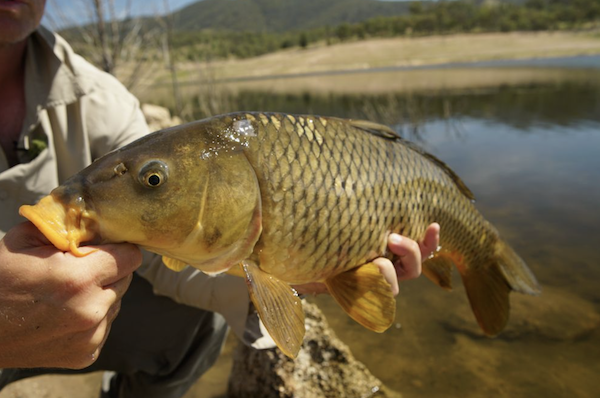
Carp – which are native to Europe and Asia – are an introduced pest species that dominate waterways across the Murray Darling Basin. They were first put into Victorian waterways in the 1970s but, thanks to their incredibly invasive nature, are now found on all continents.
Major floods in 2022 resulted in massive breeding and migration of carp in southeast Australia, with populations now at an all-time high of 375 million, accounting for around 90 per cent of the entire biomass of fish in the Murray Darling basin.
So the CFA, working alongside the Arthur Rylah Institute for Environmental Research (ARI), Charles Sturt University and The Wedge Group, aims to provide scientific and engineering advice on preparing a field-based trial to confirm the effectiveness of the carp herpes virus to reduce carp populations.
The ARI-led team will prepare an experimental design for the trial to test the effectiveness of the virus on a range of carp population densities and age groups under conditions representative of Victoria’s rivers, lakes and wetlands.
The team will also provide advice on selecting a suitable field site, assessing biosecurity risks and identifying fit-for-purpose biosecurity controls, and specifying infrastructure requirements and project costings to prepare a preferred site.
Carp are said to be the most ecologically damaging non-native species globally as their vacuum style of feeding stirs up sediments from river and lake beds, making waters cloudy, which means less sunlight can penetrate the water.
This reduces aquatic plant growth which provides critical food and shelter for native fish. Carp also remove established aquatic plants, causing extensive erosion of riverbanks and compete with native fish for food while preying on native fish eggs, larvae and juvenile fish.
In 2016, the Australian Government invested $10.37 million in the National Carp Control program (NCCP) to assess the feasibility of using the carp virus as a biocontrol agent to control Australian carp populations.
The NCCP estimates carp impacts cost the Australian economy $11.8 to $500 million per year, including ecological, social, recreational, amenity downstream impacts from degraded water quality, infrastructure, as well as secondary impacts.
The VFA said it is committed to taking meaningful action to reduce the adverse impacts of carp on native fisheries and aquatic ecosystems, pending a decision by the Commonwealth Department of Agriculture.
- Log in or register to post comments